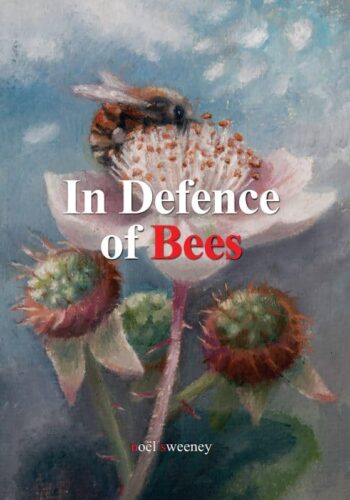
In Defence of Bees: second edition
In Defence of Bees: second edition
While bees may waggle-dance and play away at their rituals within the law of nature, bees can become subject to our law. How these animal architects survive as they build their hives and lives is examined through the cases of the main common law countries of the world. When people earn their livelihood amid the increasing noise of their neighbourhood, bees are often caught in the net of negligence and nuisance claims that are then tried in a humming courtroom. Although small in size their rise and fall mirrors the health of our planet as bees are a bellwether for us and a lodestar for our law. In a concluding Chapter, ‘Searching for the Soul of a Bee’, their special character is considered in a philosophical analysis that proves their position is vital to our future. In Defence of Bees proves it is a time to avoid sitting on a spiked fence and use the principles advocated in their defence. Then as advocates for the bees we endorse the essence of their ‘Defence’ for the future of our and their world.
Reviews of the first edition:-
He looks at the value of bees, honey bee history, how dangerous bees can be, he examines in depth and width negligence in both principle and action by bees, beekeepers, farmers, neighbors and the like. He talks of pests, crime against bees, and finally searching for the soul of a bee…it is one of the best histories of keeping bees I’ve run across. What happened when and why, and what happened because of it shape much of the legal issues bees, beekeepers and the world we inhabit together enjoy, or endure, depending on which side you are on.
Kim F.
Undoubtedly the most important bee book of the year by an expert in all forms of animal law. Will become the classic work on the subject and needs to be read by all those who have anything to do with bees.
John P.
This is a fabulously interesting book: the final chapter considers neonicotinoids and concludes that law is the only moral system that can now save bees. Highly recommended for anyone who cares for bees and the future.
Bees for Development
Sweeney has the rare gift of explaining technical law in a way which is accessible to lay people and students, without trying the patience of experts by adopting sluggish pace. There are sufficient ideas in each page to captivate any audience’s attention; the cocktail of perspective analysis, humour and whimsical detail is reminiscent of the work of the late, great tort and comparative lawyer Tony Weir. Even those who think that they have a reasonable level of background knowledge about either bees or private law are likely to be surprised by new discoveries…
Helen H.